Self-hosted Claude Managed Agents puts the whole agent service in your cloud. Here's what moves to your side of the desk
Anthropic now lets companies run its Managed Agents service in their own cloud or data center, in private beta. Keeping session history and credentials at home is the point. Running a server, a database, workers and upgrades is the price, and someone on your team pays it.
Self-hosted Claude Managed Agents, in private beta since November 12, 2026, runs the agent harness, sandboxes, credentials and session history in your own cloud or on-premise environment, with model calls going to Anthropic, a cloud provider or your own gateway. In exchange you run and secure the server, a PostgreSQL 16+ database and the workers, install each release yourself, and take on security duties Anthropic carries in the hosted service. Choose it when storage or provider rules require it, and name an owner for each part before you request access.
The whole service, not just the sandbox
On November 12, Anthropic announced self-hosted Claude Managed Agents, in private beta. Managed Agents is its service for running Claude as an agent that works on its own: fixing broken builds, triaging alerts, working through a bug backlog. Until now, companies could run the sandboxes, the places where an agent's code actually executes, on their own machines. The service around them stayed with Anthropic.
The new option moves all of it. In Anthropic's words, every part of the service runs in your own cloud or on-premise, "including the harness, sandboxes, credentials, and session history." Model requests go wherever you choose: Anthropic directly, Amazon Bedrock, Google's Agent Platform, Microsoft Foundry, or your own gateway. Developers keep using the same core APIs.
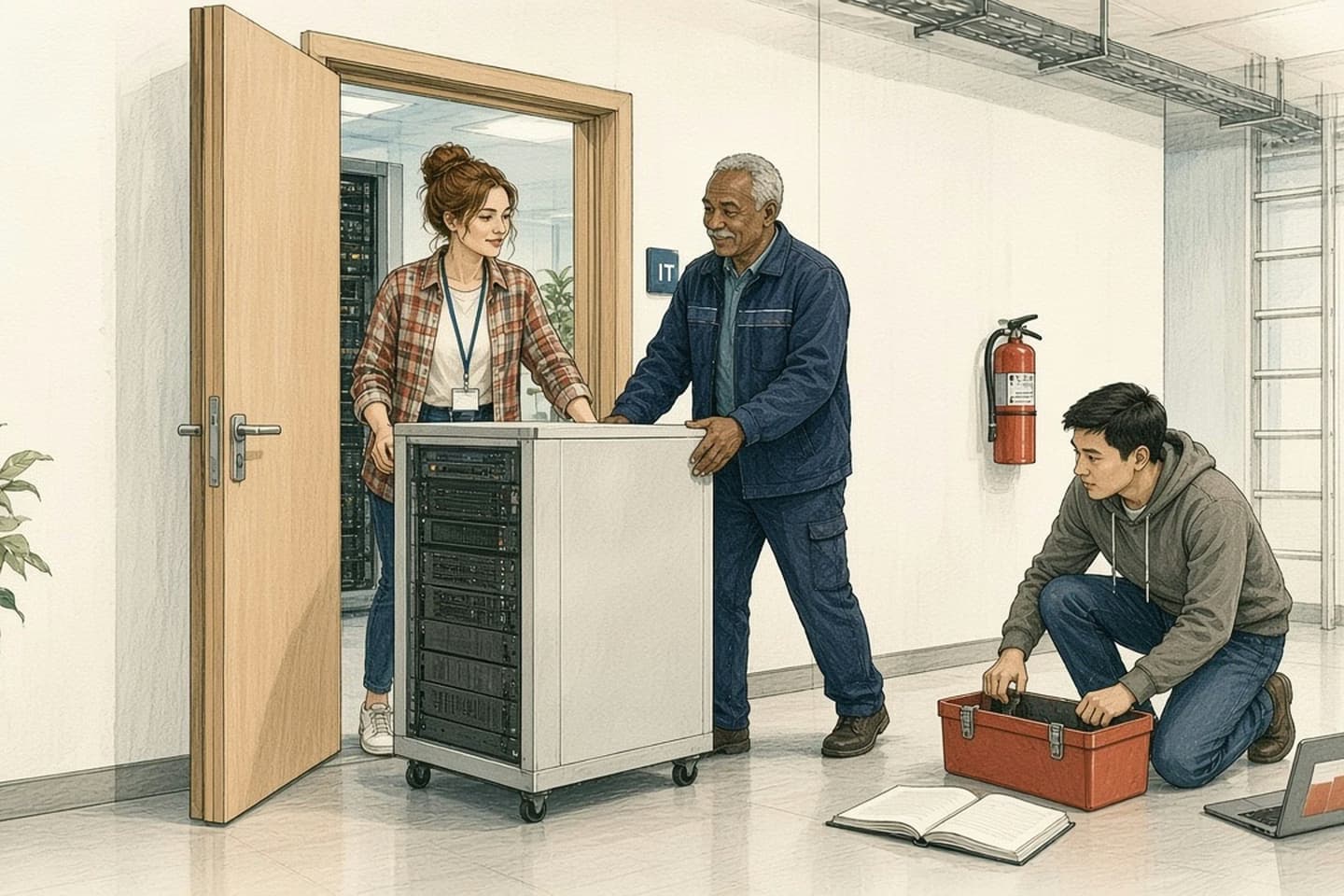
For teams whose security or legal rules say agent records can't live in someone else's systems, that's the news they were waiting for. It's also a change in who does the work. So here's the moving-day list: each box that comes into your building, and who on your team carries it.
One check first. The docs describe a smaller option that already existed: self-hosted sandboxes, where your machines run the tools and Anthropic still runs the service. They say that if you only need tools to run on your infrastructure, that's the one to use. The full self-hosted version is for teams that must store agents, sessions and history themselves, or must send model calls to a particular provider. If neither rule applies to you, the rest of this list is work you may not need to take on.
The server and its database
The server runs the API and the agent loop, and stores agents, sessions and each session's history. Anthropic's docs say it needs PostgreSQL 16 or later, and they're blunt about the alternative: without a database, the server keeps its data in memory, "and a restart erases it."
Session history is the whole reason many teams will self-host, so treat that database like any other production system. That means backups, restore tests, access controls and someone who notices when it fills up. If your platform team already runs Postgres well, this is familiar work. If agents are being set up by a small AI team on the side, it's a new job they didn't have last week.
The docs also say what leaves your network. For each model call, the server sends the conversation so far, including tool inputs and results, to your model provider. If your company has zero data retention in place with Anthropic, the announcement says it applies to those requests the same way it does to any other API call. Self-hosting changes where history is stored. It doesn't mean nothing goes out, so make sure the people who approve data flows read that paragraph.
Decision guide
What moves, and who picks it up
| Consideration | Moves to your environment | Who on your team carries it |
|---|---|---|
| Server and agent loop | Runs the API and calls the model. | Platform or infrastructure team, with an on-call rota. |
| Database | PostgreSQL 16 or later holds agents, sessions and history. | Whoever already backs up your production databases. |
| Workers and sandboxes | Run the agent's shell and file tools. | Security, who decide what each container can reach. |
| Credentials | Kept outside the sandbox, optionally in your secrets manager. | The person who owns secret rotation today. |
| Releases | You install each one yourself. | A named owner with a monthly slot in the calendar. |
Self-hosting doesn't remove work. It moves it to people who have names on your org chart, and that's the whole point.
The workers and their shells
Workers take jobs from the server and run the agent's shell and file tools. Here the docs are clear: the agent's bash tool "is a real shell with the worker process's permissions and network access." The worker doesn't isolate it. Isolation comes from whatever the worker runs in. The supplied Docker Compose stack and Helm chart give each session its own container or pod, and if you start a worker yourself, the docs say to run it in a disposable container or VM that holds nothing you need to protect.
Anthropic's announcement describes the network side: you can limit each environment to a list of allowed hosts, and when you host the sandbox yourself, you set those limits in your own firewall. For an agent that fixes builds, the example given is just your git host and package registry. We've written about drawing that boundary before an agent runs; it's the same exercise, except now your team enforces every line of it.
Credentials and records
Credentials are designed to stay out of the sandbox. A proxy outside it adds the credential to requests for MCP tools and supported APIs, and self-hosted customers can keep credentials in their own secrets manager. That's good design, and it makes your secrets manager part of the agent platform. Whoever owns rotating secrets today should know agents now depend on it.
Every step an agent takes is recorded, including tool calls and what came back, and the record exports over OpenTelemetry to the monitoring tools you already use. That's useful, and it's also a stream of sensitive data landing in your logs. Decide what gets redacted before it's stored, not after someone finds a token in a dashboard.
The jobs nobody mentions in the demo
Three more things move, and they're easy to miss.
Releases. You install each one yourself, and each release archive includes an operator guide. That's a recurring task with a calendar slot, not a one-off setup.
Security duties. The docs say that what the hosted security model assigns to Anthropic becomes your responsibility, "including securing the server, hosting memory stores, and detecting unusual usage." Detecting unusual usage is a real job. Someone has to know what normal looks like, and have the authority to switch an agent off when it isn't.
Trust levels. Each trust level needs its own deployment. If one agent touches production and another only reads documentation, plan for separate servers and databases, not one shared install, and budget the upkeep for each.
Self-hosting doesn't remove work. It moves it to people who have names on your org chart, and that's the whole point. Some features also exist only on the hosted service, and the docs list them, so read that page before you plan anything that depends on them.
How the work moves
Before you ask your account team for access
- Name the rule
Which storage or provider requirement rules out the hosted service?
- Check the gaps
Read the hosted-only features list against what you plan to build.
- Count deployments
One per trust level, each with its own server and database.
- Assign owners
Server, database, workers, credentials, releases, monitoring.
- Start narrow
One agent, a short allowed-host list, records flowing to your monitoring.
Decide with names, not boxes
The table above lists what moves and a sensible owner for each part. The steps below are the order we'd use before asking an account team for access: name the rule that rules out the hosted service, check the hosted-only gaps, count your deployments, assign owners and start with one narrow agent.
If you're weighing hosted against self-hosted agents and want a plan your platform and security teams can live with, that's work our AI applications and agents team does. You can talk to us about what you're trying to run.
We build alongside the people doing the work.
Bring us the problem you’re thinking about.