Before a limited drop, decide who should end up with it.
Target's overnight Pokémon card drop went sideways again. If you sell anything in short runs, the real question isn't how fast your checkout is. It's who you want holding the box when it's over.
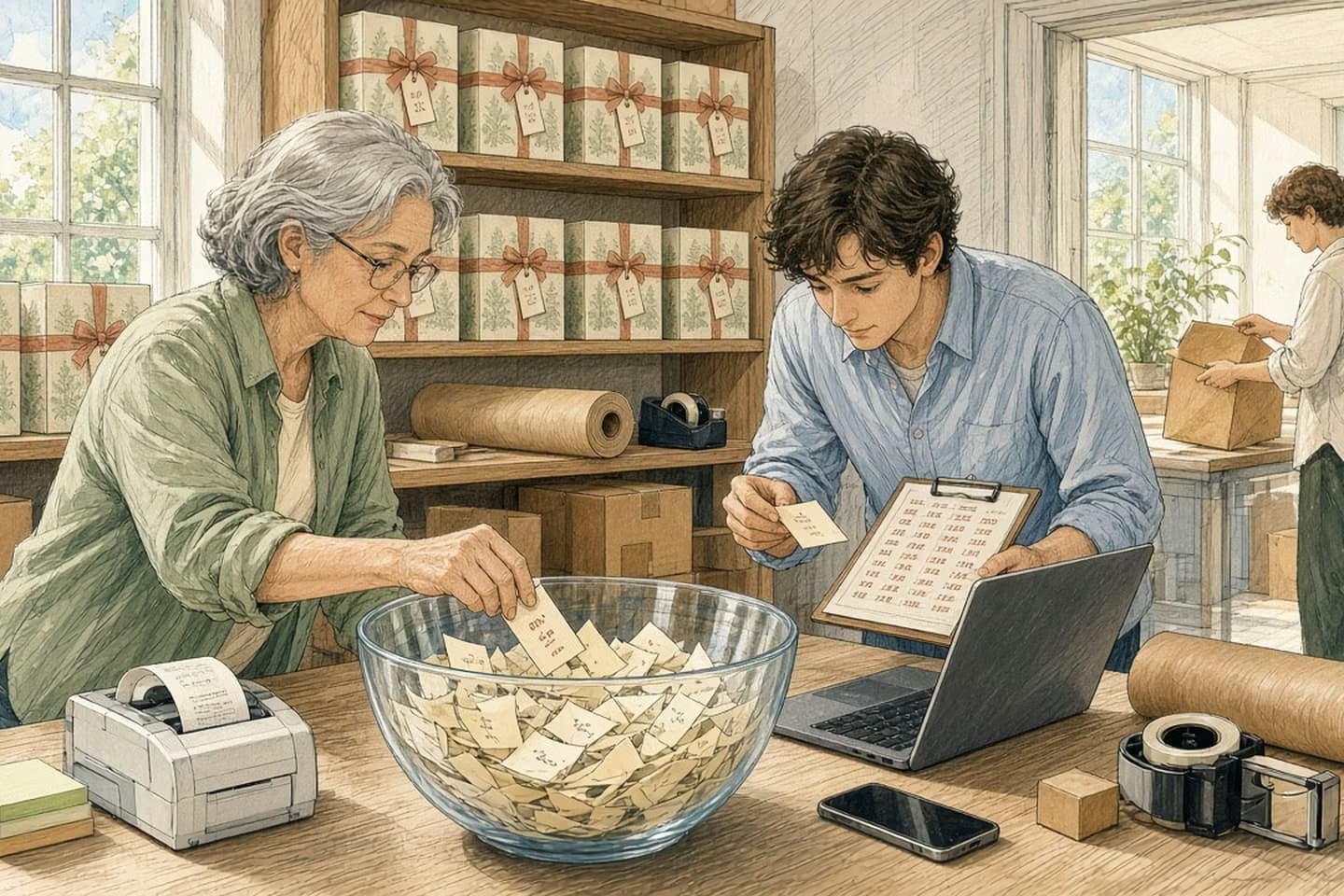
Every limited release runs on a rule, even if nobody chose it. First come, first served rewards whoever is fastest, and that's usually software. A virtual queue rewards showing up on time. A draw rewards entering, but only works if you can tell one person from fifty accounts. Pick the rule first, then build the checkout around it.
Three in the morning, and the box is gone
Target's latest batch of new Pokémon card products went online in the small hours of this morning, the overnight slot collectors have learned to stay up for. By breakfast, X was full of collectors saying the same thing: the order button wouldn't go through, the app locked up, and the stock was gone anyway. Target's account spent the morning replying to them, apologizing for "issues during checkout" on "a highly anticipated item."
None of that is new for Pokémon cards. What's interesting is where the big retailers seem to be heading. Polygon reported on September 28 that text found in Target's site describes a drawing system: you enter during a window, winners are picked at random, and each winner gets 24 hours to buy, one per account. Target hasn't announced it, so treat it as a sign of direction rather than a plan. Walmart already runs drawings for this kind of release, and according to that same report more real people have been getting product since it started, even though people with lots of accounts can still enter many times.
You probably don't sell trading cards. But if you sell anything in short runs, like a numbered print, a collab sneaker, a small-batch bottle, or a holiday box you only make 300 of, you're making the same choice Target is making. You're just making it quietly, by whatever your store does when a lot of people press Buy at once.
First come, first served is a rule too
Most small brands launch a limited product the default way. Announce a time, open the page, sell until it's gone. It feels neutral. It isn't. It's a rule that says the stock goes to whoever completes checkout fastest.
When ten people want a hundred mugs, that rule is fine. When five thousand people want two hundred mugs, "fastest" stops meaning "most eager fan" and starts meaning "best software." Someone with a checkout script and saved cards across a few accounts will beat someone tapping on a phone, every time. Limits like "two per order" slow that down a little. They don't stop someone from placing several orders under several names.
Here's the part that catches people out. You can buy more server capacity, and your site can stay up through the whole rush, and the release can still go badly. Staying up and being fair are two different problems. A perfectly stable checkout that sells most of the run to a handful of resellers is a working site and a failed launch. Your regulars notice who got the boxes, and they remember.
First come, first served sounds neutral. It's a rule that hands your stock to whoever is fastest, and the fastest buyer is usually a script.
Three ways to hand out something scarce
There are really three rules to pick from, plus one that changes the business.
The race. Open at a set time; first completed checkout wins. It's cheap and simple and everyone understands it. It rewards speed, which means it rewards automation. It's fine when demand is close to supply.
The queue. At opening, everyone who's waiting gets a random place in line, then people are let in to buy a few at a time. Pokémon Center has used virtual queues for big releases. A queue takes the pressure off your checkout and removes the advantage of refreshing faster. It still rewards having many browsers open, and people sitting in line for forty minutes only to hit "sold out" will be angry if you didn't tell them how many units there were.
The draw. Entries open for a day or two. When the window closes, you pick winners at random and give each one a set time to pay. Anyone who doesn't buy in time is replaced by the next name. Nobody has to be awake at 3 a.m., and speed means nothing. But the draw moves all the difficulty to one question: is each entry a different person?
The fourth option is to let price decide, which is an auction. It's honest about who wins and why. Our work on Paddle8 covered a real-time bidding engine for fine-art auctions and the shipping operation after a winning bid, and the lesson carries over to any scarce item: the sale has to earn trust at every step, and the moment someone wins is where the work starts, not where it ends. But an auction tells your fans the item goes to the highest bidder, and for most brands that's not the relationship they want.
Decision guide
Three rules for a short run
| Consideration | What it rewards | What it costs you |
|---|---|---|
| Race | Whoever finishes checkout first, which is usually automation when demand is high. | Little to build. Stock tends to go to the fastest buyers, and limits per order are easy to get around with more orders. |
| Virtual queue | Being there when it opens; a random place in line instead of refreshing fastest. | A queue tool and clear stock counts. Long waits that end in sold out need honest messaging. |
| Draw | Entering during the window; no advantage for speed or staying up. | Matching entries to people, cleaning duplicates before the pick, winner notices, payment deadlines and an appeal path. |
| Auction | Willingness to pay the most. | Bidding rules and a timed close. Changes what the release says to your fans. |
A draw is only as fair as one person, one entry
If you pick a draw, the work isn't the random number. It's deciding what counts as the same person, and checking it at the right moment.
A new email address costs nothing, so "one entry per account" on its own is weak. Stronger signals are the things that are expensive to fake in bulk: a shipping address, a payment card, a phone number, an account that bought something before this week. None of these is perfect on its own. Together, they catch most of the obvious duplicates.
Timing matters too. Don't try to block everything at entry. You'll stop real people and tip off the people you're trying to catch. Let entries in, then clean the list before you pick: group entries that share an address or card, keep one from each group, and set the rest aside. Then pick. Then check the winners once more when they pay, because that's when you see the real card and the real address.
Decide what you'll do when you're wrong. Someone will share an apartment building with a reseller. Someone's partner will enter from the same card. Have a short appeal path and a person who can look at it, and write down the rule so support isn't making it up one message at a time.
And be straight with people about the limits. A draw makes it much harder to scoop up a whole run. It doesn't make it impossible, and claiming you've beaten the bots invites people to prove you wrong.
How the work moves
How a draw runs, start to finish
- Publish the rule
Units, entry window, how winners are picked, time to pay, what happens to leftovers.
- Take entries
Collect what you'll match on: account, shipping address, phone, and a past order if the release is for existing customers.
- Clean the list
Group entries that share an address or card, keep one from each, and set the rest aside for review.
- Pick and notify
Random pick from the cleaned list; each winner gets a payment link with a deadline.
- Check at payment
Match the real card and address against other winners; unclaimed or rejected spots go to the next name.
Write the rule down before you pick the tool
Whatever you choose, the decisions come before the software. Most of them fit on one page.
- Who is this release for? Existing customers, your mailing list, people near your shop, or anyone at all. The answer may make the draw open only to accounts with a past order.
- How many per person, and what is a person? Pick the signals you'll match on: address, card, phone, account age.
- What will you publish? The number of units, how winners are picked, how long they have to pay, and what happens to unclaimed stock. People accept losing a fair draw far better than losing a race they couldn't see.
- What will you cancel? If orders get through that break the rule, will you cancel them, and how will you tell those buyers?
- What happens to leftovers? A second draw, a general sale, or held back for the next release.
- Who handles the replies? A launch generates support messages whether it goes well or badly. Know who answers them and what they're allowed to promise.
Once that page exists, picking the tool gets easy. Some store platforms and apps offer raffles or queues, and you can often get a long way with them. The page tells you whether what you're looking at actually does what you decided, or just looks like it does.
If you have a release coming up
Start with your last one. Export the orders and sort them by shipping address and by card. If a handful of addresses took a big share of the run, you already know which rule you've been using, whatever the launch email said.
Then pick the rule for the next one on purpose, and say it out loud on the product page before launch. If it's a race, say it's a race and say how many there are. If it's a draw, publish how it works and keep to it.
None of this needs to be complicated. For most brands, it's a few days of decisions and a small amount of build: an entry form, a cleanup step, a pick, notices to winners, and a time limit on the payment link. We do this kind of ecommerce work, from the release page through checkout and what happens after. If you have a drop on the calendar and you'd like it to go to the people you made it for, tell us about it.
We build alongside the people doing the work.
Bring us the problem you’re thinking about.