Make "where is my order?" work without an account
Guest checkout converted. Then the buyer wants a tracking link from a phone that never created a password. If the only path is "log in," you traded conversion for a week of support tickets and chargeback screenshots.
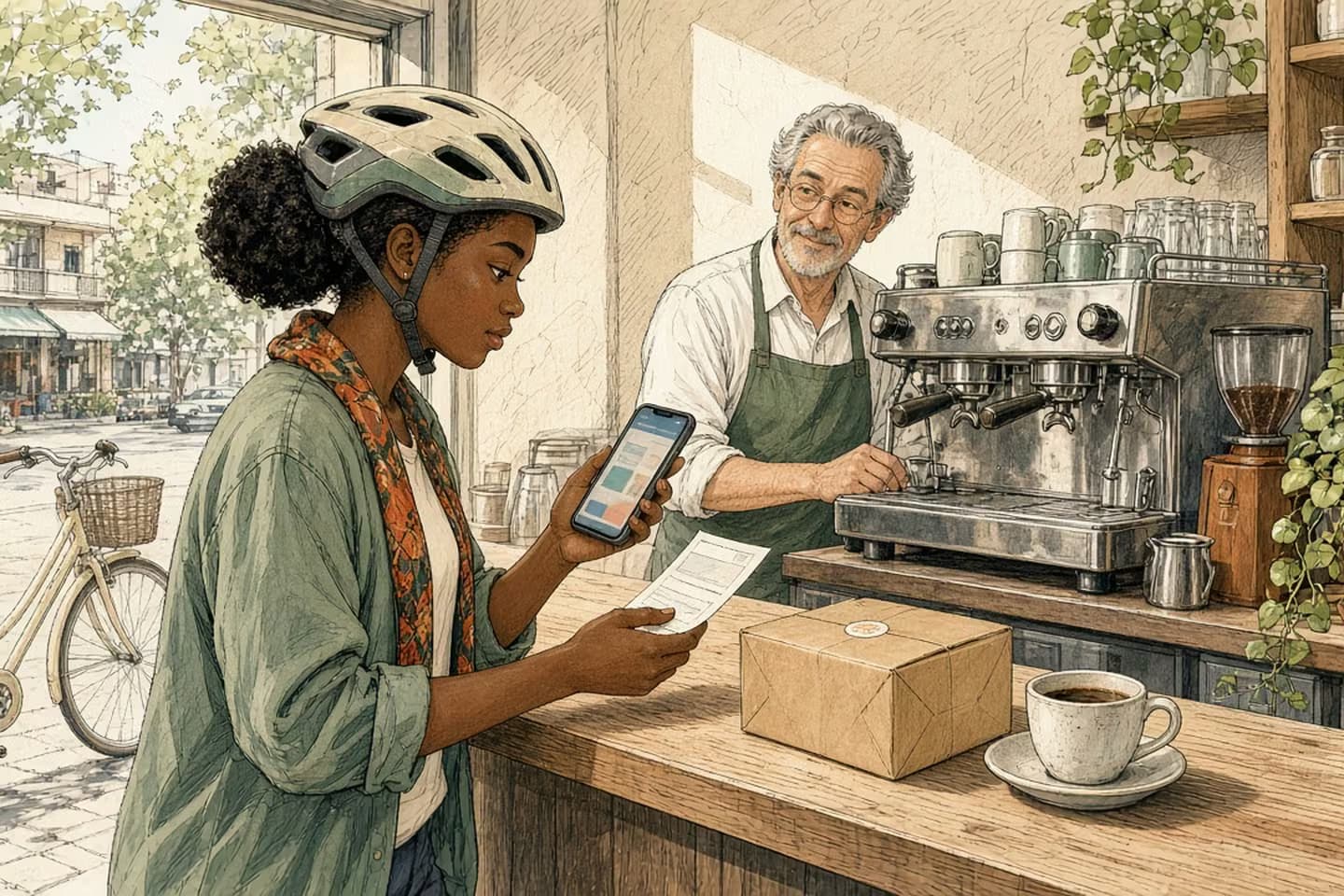
Ship an order-status lookup that works with order number plus a second factor you already collected—email link, SMS code, or billing zip—without forcing account creation. Rate-limit it, log access, and expire magic links. Walk the guest path yourself after every checkout change.
Open the path a guest actually has
Buy something on your own store in an incognito window. Use guest checkout. Close the tab. From another device, try to answer "where is my order?" with only the confirmation email.
If the site demands an account password you never created, stop. Guest checkout without guest status is a trap you set for your own support team. This is a settings-and-flow walk for web applications that take guest orders.
Fraud teams sometimes push to eliminate guest lookup entirely. Meet them with rate limits, device signals, and logging—not with a password wall that punishes legitimate buyers. The abuse case is real; so is the support cost of pretending every shopper wanted an account.
How the work moves
Guest status settings walk
- Buy as guest
Incognito checkout; save the confirmation email.
- Leave
Close the session; open a second device.
- Enter
Try email link, footer track page, and help macro.
- Prove
Confirm order id + factor works; password not required.
- Harden
Check rate limits, link expiry, and access logs.
Walk the status entry points
Check each place a guest might land:
- Link in the order confirmation email.
- Link in shipping emails.
- A /order-status or /track page linked from the footer.
- Chatbot or help center macro that claims they can self-serve.
For each, note whether it works with order number + email, order number + zip, or a signed magic link. Note whether it leaks other orders when someone guesses numbers. Note whether it forces "create account to continue."
Fix the broken entry before you add another growth experiment on checkout.
Check localized emails and SMS templates too. A translated shipping SMS that drops the signed link is a silent regression. Include one non-English template in the release walk if you ship them.
Guest checkout without guest status is a trap you set for your own support team.
Settings that have to be true
In your admin or codebase, verify:
- Guest orders create a durable order id the customer can see in email.
- Status page accepts order id + email match (or equivalent), not password.
- Magic links expire and are single-purpose.
- Rate limits and CAPTCHA (or equivalent) blunt enumeration.
- Access to status is logged like other customer-data reads.
- Returns and cancel paths from that page match policy—do not invent buttons that only logged-in users should have.
- Account creation is offered, never required, to see tracking.
Same spirit as letting someone download a receipt without cancelling: the useful door should not hide behind a destructive or impossible step.
For headless or custom storefronts, confirm the status API used by your mobile web view is the same hardened path—not a debug endpoint that skipped authz. Mobile web is where guests live.
Decision guide
Force account vs guest lookup
| Consideration | Login required | Guest lookup |
|---|---|---|
| Conversion side | Guest checkout stays easy up front. | Same—and status stays possible after. |
| After purchase | Password wall on tracking. | Order id + email or magic link. |
| Support load | Tickets and screenshot hunts. | Self-serve status for most asks. |
| Risk | Frustrated chargebacks. | Must rate-limit enumeration. |
| Account goal | Forced signup feels like a bait. | Optional signup after trust is earned. |
What good looks like on the phone
The guest opens the email on a phone, taps Track, sees line items, shipment state, and carrier link. If something is wrong, they see how to contact support with the order id already referenced. They are not lectured about loyalty points first.
If you run marketplaces or multi-seller carts, say which seller owns which package. Ambiguous tracking is how chargebacks win.
If delivery instructions or access codes appear on the status page, treat that as sensitive: short TTL, authz equal to the lookup factor, no open graph previews that leak the code into a chat unfurl.
After every checkout change
Add this walk to the release checklist next to test payment and test refund. Themes, apps, and customer-account portals love to "simplify" by removing guest routes. Re-run incognito after those installs—the same habit we urge for checkout defaults.
Cart apps that inject post-purchase upsells sometimes break return links to status. Add those apps to the walk list. Growth tooling is a frequent suspect when guest status "mysteriously" died last Tuesday.
Privacy and abuse in one paragraph each.
Privacy: order status reveals purchase contents and addresses. Require a second factor you already have, expire links, and avoid putting full street address on a page that might be unfurled in a shared chat. Show enough for the guest to recognize the order; offer masked address until a stronger check passes if your risk model needs it.
Abuse: attackers enumerate order numbers. Use unguessable order ids or pair guessable ids with email/zip checks and hard rate limits. Alert on enumeration patterns. Coordinate with fraud the same way you would for login brute force. The goal is guest convenience with teeth—not an open directory of everyone else's packages.
Offer account creation after a successful guest status view with a calm line: save this order to an account for faster returns later. That is hospitality. Blocking tracking until they register is coercion, and it reads that way in support transcripts and app-store reviews.
Wholesale or B2B portals sometimes assume every buyer has an account. If you also take guest retail orders on the same domain, do not let the B2B login wall capture the retail guest track URL. Separate paths beat clever reuse.
Customer-support macros should paste the track URL pattern with placeholders, not instruct people to "log in and visit orders." Train the macro the same week you ship the guest path so humans do not undo the product with habits.
Test gift purchases and ship-to-different-address orders explicitly: the lookup factor should still match a party who legitimately needs tracking without exposing the payer's full account. That edge case is where many guest status designs quietly demand a login again. Add the guest status walk to your QA charter with a named owner. Orphan checks die. Owned checks survive the next theme update.
If you migrate platforms, guest status is a cutover acceptance test equal to payment. Place a guest order on the old system and the new system in the same hour and compare the track experience. Gaps here surface in week one as chargebacks and one-star reviews, not as tidy Jira tickets.
When legal reviews the flow, bring them a sequence diagram, not a slogan. Showing order-id plus email match, link expiry, and rate limits answers privacy questions faster than promising you care.
Ship the fix before the next campaign spike; guest buyers arrive fastest when ads are loudest.
Put this into practice
Today: complete one guest purchase and attempt status from a second device. File tickets for every dead end. This week: ship or restore a secure lookup. If the account system cannot express guest status cleanly, that is the product debt. Talk to us when you want it designed without weakening privacy.
Related work: Paddle8.
We build alongside the people doing the work.
Bring us the problem you’re thinking about.