OpenAI and Cisco's Shirudo can shield a running Linux service until the patch lands. Six questions before you rely on it
OpenAI and Cisco have released Shirudo, an open-source way to block a vulnerable code path on a running Linux server without restarting it, while the real patch is tested. In one test, an AI-written shield stopped a Java4Shell attack on a live search service. Here's what that does and doesn't mean for you.
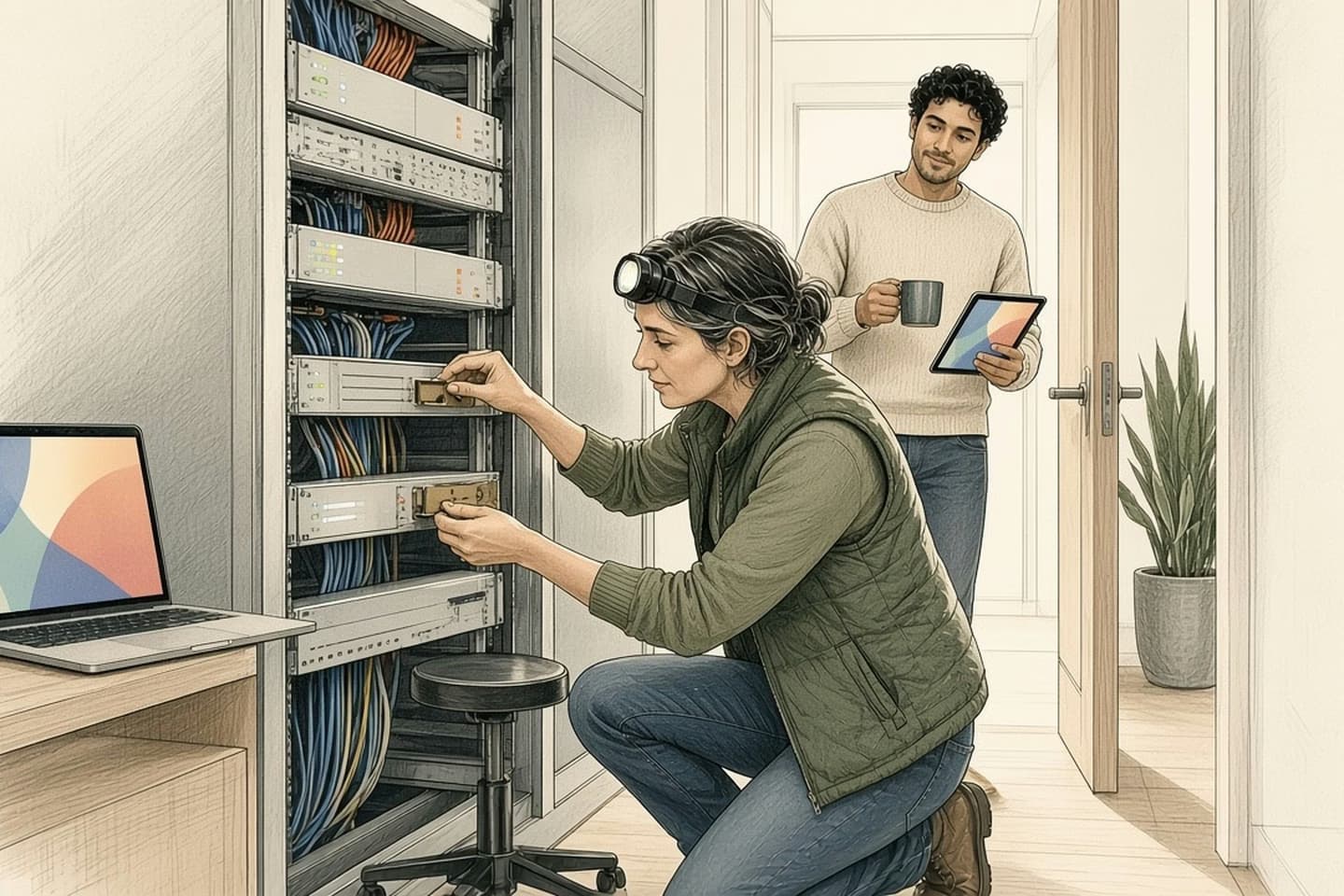
Shirudo, released by OpenAI and Cisco on November 23, 2026, is an open-source runtime that loads small, signed eBPF programs called shields to block a vulnerable code path on a running Linux system without a restart. An operator approves each shield and can watch its effect before enforcing it. It buys time between disclosure and patch; it doesn't replace the patch, and it's new.
What is Shirudo?
On November 23, OpenAI and Cisco released Shirudo, an open-source runtime for protecting running Linux systems while a patch is being prepared. The name is Japanese for shield, and the protections it loads are called shields.
A shield is a small program that uses eBPF, a Linux feature that lets tightly checked programs run at specific points inside the operating system. Shirudo uses that to block one vulnerable code path, such as one kind of malicious input, without restarting the service and without blocking everything else that service does.
The headline example: in a controlled test, the team used OpenAI's Codex to write a shield that added an input check to Java's Base64 decoder, attached it to a running Elasticsearch service, and blocked a Java4Shell exploit attempt while Elasticsearch kept running.
What problem is it solving?
The gap between "a flaw is published" and "the fix is safely running everywhere." OpenAI's announcement puts it plainly: testing and deploying a patch can still take days or weeks. And protecting a service in the meantime is hard, because an exploit and a legitimate request often use the same operation. Block the operation and you've taken the service down yourself.
That gap has been getting wider. The Register, covering the launch, notes more than 100,000 software flaws reported this year, many found by AI-powered bug hunters. More flaws means more patches, and more patches means more nights deciding whether to patch now, block a feature, or wait.
OpenAI's president, Greg Brockman, framed the open-source decision around that shared problem: so many teams rely on the same software that when one team finds a better way to protect a system, others shouldn't have to start from scratch. If tested shields really do start arriving with disclosures, small teams would benefit most, because they're the ones least able to write their own.
The flow under this section shows how a shield is meant to fit into that window.
How the work moves
A shield's life, from disclosure to patch
- Disclosure
A flaw is published. The patch needs days or weeks of testing.
- Draft a shield
A person or an agent writes a small eBPF program aimed at the vulnerable path.
- Watch only
See what the shield would block on real traffic, without blocking anything.
- Approve and sign
An operator approves; the signed shield loads while the service keeps running.
- Patch and remove
Ship the real fix, then take the shield off and record that you did.
A shield buys you time. It doesn't buy you out of the patch.
Does it replace patching?
No, and nobody involved claims it does. Shields are described as temporary safeguards while permanent patches are prepared. OpenAI and Cisco say their goal is to publish tested shields alongside vulnerability disclosures, so operators have something to deploy on day one while they test the real fix.
That's useful, and it's also a new thing to manage. Every shield you load is one you have to remember to take off once the patch is in. A shield buys you time. It doesn't buy you out of the patch.
The companies also describe a longer goal beyond shields: hardening the kernel and core services, running applications with only the permissions they need, and making updates and recovery safer. That's the part that reduces how many emergency nights you have in the first place. Shields are for the nights that still happen.
Who decides what gets deployed?
You do, according to the design. An operator approves each shield before it's deployed, and teams can monitor what a proposed shield would block before they turn on enforcement. Shields are cryptographically signed and checked before loading, Linux's own eBPF verifier checks each program against its safety rules, and a hardware security chip, the TPM, keeps a verifiable record of which protections were loaded or removed.
That last piece matters more than it sounds. Six months from now, someone will ask whether that shield is still on the production server. Shirudo is built so you can answer from a record rather than from memory.
Does this matter if we're on managed hosting?
It depends on who controls the operating system. If your app runs on a managed platform where you never touch the server, the platform runs the kernel and decides what goes on it. Your job is to ask your provider how they handle the window between disclosure and patch, and whether tools like this are part of it.
Three questions are worth sending to any hosting provider: how quickly do you apply critical patches to the systems my app runs on, what do you do in the days before a patch is available, and how will I know which protections are in place for my services? A good provider will have answers ready. A vague answer tells you something too.
If you run your own Linux servers or virtual machines, it's worth knowing now. But treat it as early. It came out on November 23. The sensible first step is the one OpenAI suggests: follow the quickstart in a test virtual machine, or try Isovalent's self-guided lab, and decide later whether it belongs in production. There's a technical webinar on December 15.
It also isn't the only approach. The Register points out that compensating controls, protecting a system without patching it, have been offered for years by vendors including VMware, Palo Alto Networks and Rapid7. Shirudo's difference is that it's open source, under a BSD 2-Clause license.
Decision guide
Three ways through the patch window
| Consideration | What you get | What it costs |
|---|---|---|
| Patch tonight | The flaw is gone. | An untested change and maybe a restart at the worst time. |
| Block the feature | The exploit path is closed. | Legitimate users lose the feature too. |
| Shield, then patch | The exploit is blocked while normal requests continue. | A new kernel-level component to review, approve and remember to remove. |
How far should we trust a shield an AI wrote?
As far as you'd trust any change to production written by someone you just met. OpenAI and Cisco are designing Shirudo so agents can investigate flaws, draft shields and test them against exploits and real workloads, and The Register describes their vision as humans checking every shield before it goes into production. That's the right line. An AI-written shield is a code change that sits in the kernel's path. Review it, watch it in monitor-only mode against real traffic, approve it, and write down when it comes off.
The comparison under this section sets out the three ways through a patch window. None is free.
What you can do this week, whether or not you ever install Shirudo: know your patch window. For each service you run, write down who patches it, how long a tested patch usually takes, and what you'd do the night a flaw lands before the fix is ready. Our notes on patching Java the night Java4Shell landed and the nginx HTTP/2 flaw before Black Friday show how those nights usually go.
If you'd like help with that list, or with the app it protects, that's part of our web application work. Get in touch and bring the service you'd least like to restart.
We build alongside the people doing the work.
Bring us the problem you’re thinking about.